Get Home Generator Installation
Home generator installation services help property owners ensure reliable power during outages by connecting with local contractors who handle setup, wiring, and system integration.
Home generator installation is a practical solution for property owners seeking reliable backup power. Whether preparing for potential outages or ensuring continuous operation during emergencies, many in the area are exploring options to enhance their home's resilience. Finding experienced local contractors who can assess specific needs and provide tailored installation services can make the process smoother and more efficient. Keep reading to discover how to connect with qualified service providers in the community who can help plan and execute a generator setup that fits your property's requirements.
Comparing local options for home generator installation allows property owners to evaluate the expertise and services available in the area. Planning a project of this nature involves understanding different equipment choices and installation approaches, making it beneficial to explore reputable service providers nearby. By considering local contractors, homeowners can find professionals equipped to handle the job with the knowledge necessary for a safe and effective setup. Continue exploring to learn more about connecting with trusted local service providers for your generator installation needs.
- Home Backup Power - when homeowners want reliable electricity during outages caused by storms or grid failures.
- New Home Construction - during the building process to ensure a permanent, integrated power solution.
- Renovations and Additions - when expanding living space and needing an upgraded or additional power source.
- Power Outage Preparedness - for residents seeking to maintain essential appliances and comfort during unexpected blackouts.
- Remote or Off-Grid Living - in locations where connection to the main power grid is limited or unavailable.
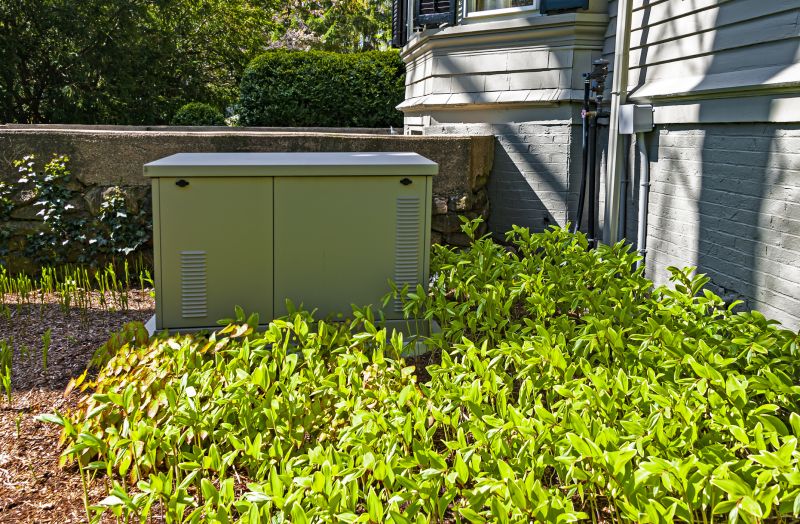
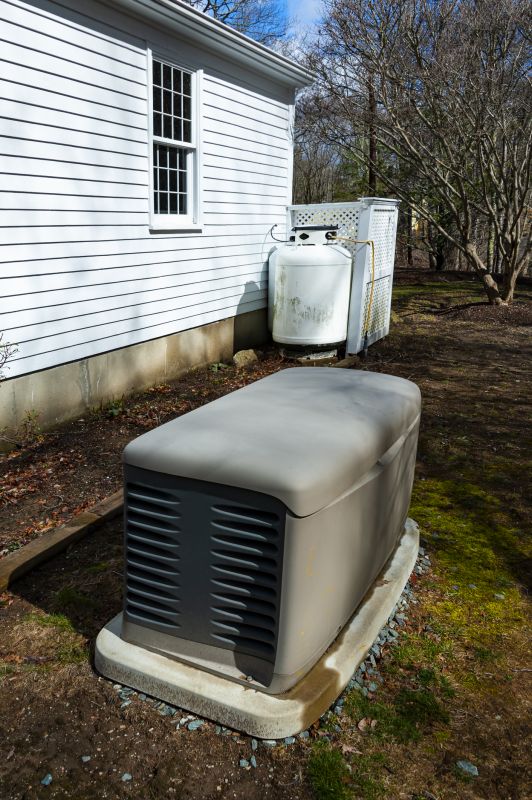
Home generator installation services involve setting up a backup power system that can automatically provide electricity to a property during outages. These systems typically include a generator unit, transfer switches, and necessary wiring to connect seamlessly with the home's electrical system. Professional service providers handle the entire process, from selecting the right generator size to ensuring proper placement and connection, so homeowners have a reliable power backup when it’s needed most.
This service helps address common problems caused by power interruptions, such as spoiled food, disrupted heating or cooling, and the inability to operate essential appliances or medical devices. It provides peace of mind by maintaining continuous power supply during storms, outages, or other unforeseen circumstances. Homeowners who experience frequent power disruptions or live in areas prone to severe weather often find generator installation to be a valuable solution for maintaining comfort and safety.
Generators are suitable for a variety of property types, including single-family homes, multi-family residences, and even some small commercial buildings. They are particularly beneficial for homes with critical medical equipment, home offices, or extensive electronic systems that require uninterrupted power. The size and type of generator needed can vary based on the property’s size, power needs, and existing electrical setup, making it important to consult with experienced local contractors.
Homeowner needs for generator installation typically arise when there is a desire for increased reliability and security during power outages. Properties in areas with unreliable electrical grids or frequent storms often benefit from these systems. Additionally, homes with backup power requirements for health or business reasons may find professional installation essential to ensure the system is correctly and safely integrated. Local service providers are available to help evaluate the specific needs of each property and install a generator that provides dependable backup power.
The overview below groups typical Home Generator Installation projects into broad ranges so you can see how smaller, mid-sized, and larger jobs often compare in your area.
In many markets, a large share of routine jobs stays in the lower and middle ranges, while only a smaller percentage of projects moves into the highest bands when the work is more complex or site conditions are harder than average.
Smaller Repairs - minor generator repairs or upgrades typically cost between $250 and $600. Many routine maintenance jobs fall within this range, depending on the scope of work and parts needed.
Basic Installation - installing a new home generator usually ranges from $2,000 to $5,000. Most standard projects land in this middle tier, with fewer jobs reaching the higher end for more complex setups.
Full System Replacement - replacing an existing generator with a larger or more advanced model can cost $5,000 to $10,000 or more. Larger, more complex projects tend to push into the higher price brackets, but are less common.
Additional Features - adding features like automatic transfer switches or remote monitoring may add $1,000 to $3,000 to the overall cost. These upgrades are often included in mid-range to high-end installations depending on the options chosen.
Actual totals will depend on details like access to the work area, the scope of the project, and the materials selected, so use these as general starting points rather than exact figures.
Electrical System Upgrades - professionals who install home generators often handle electrical system enhancements to ensure proper power distribution and safety.
Backup Power System Installation - local contractors skilled in installing various backup power solutions share similar planning and technical requirements as home generator setups.
Home Renovation Projects - renovation work involves planning and electrical work that can overlap with the skills used in installing standby generators.
Solar Power System Installation - installing solar panels requires electrical expertise and planning similar to that needed for integrating home generators with existing systems.
Electrical Panel Upgrades - upgrading electrical panels involves knowledge of electrical codes and systems, which are also essential for proper generator installation.
Whole-House Wiring - wiring projects require detailed planning and electrical skills comparable to those used in home generator installation services.
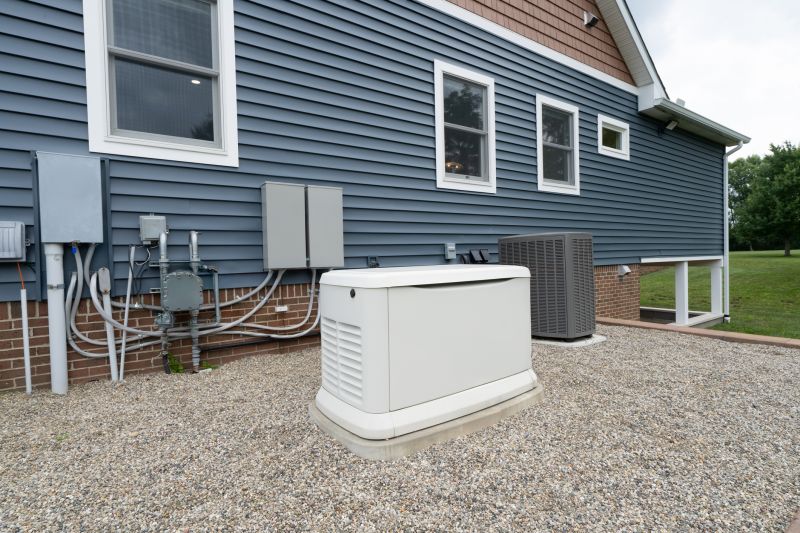
When comparing service providers for home generator installation, it’s important to consider their experience with similar projects. Contractors who have handled a variety of generator setups are more likely to understand the complexities involved and can provide insights based on past work. Asking about their background with residential generator installations can help gauge their familiarity with different systems, ensuring that they are equipped to meet the specific needs of your home.
Clear, written expectations are essential for a smooth project. Reputable local contractors should be able to provide detailed descriptions of the work involved, including the scope of the project, what will be delivered, and any responsibilities on your part. Having this information in writing helps prevent misunderstandings and ensures everyone is aligned on the process, timelines, and outcomes before work begins.
Good communication and reputable references are key indicators of a reliable service provider. Local pros who are transparent about their work and willing to share references from previous clients can give confidence in their professionalism. Engaging with contractors who maintain open lines of communication and can provide verifiable references can help ensure that the project will proceed smoothly and meet expectations. This site helps connect homeowners with local options, but it does not perform the installation itself.
Property owners use Home Generator Installation services for practical projects around their homes and businesses. This guide focuses on everyday jobs and straightforward project options.
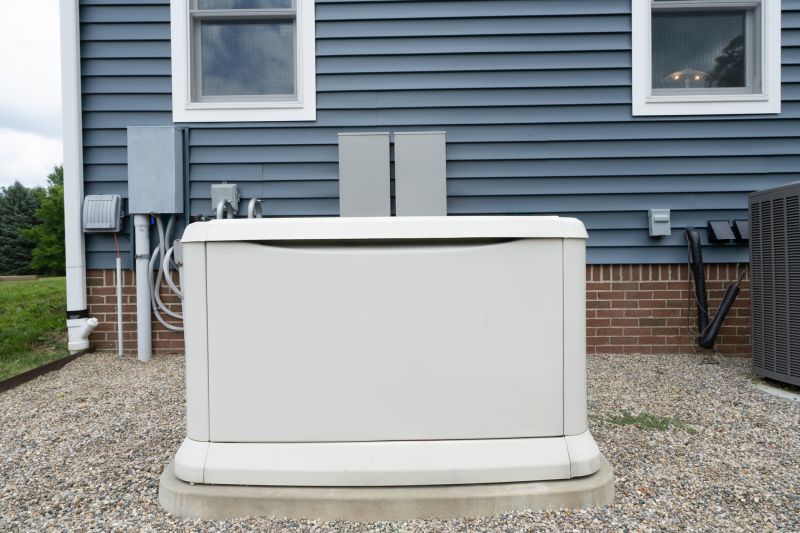
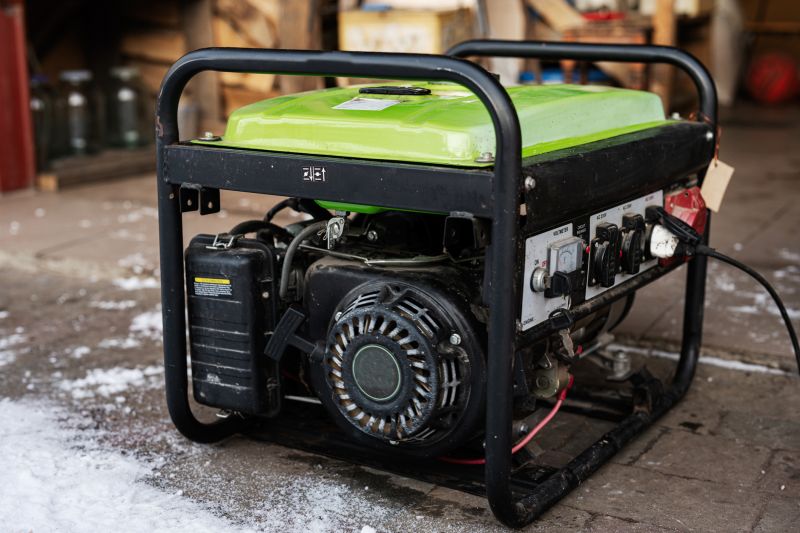
Homeowners in the area often seek professional home generator installation services to ensure reliable power during outages caused by storms, heavy winds, or unforeseen electrical issues. Property owners may also look for local contractors to install a backup power system when preparing for potential emergencies or to provide peace of mind during severe weather conditions. Additionally, those upgrading their homes or building new properties might consider generator installation as part of their overall electrical setup to enhance convenience and safety.
Many property owners turn to local service providers for generator installation to avoid disruptions to daily life, especially in areas prone to power interruptions. Some may want a backup system to keep essential appliances running or to maintain comfort during outages. Others might be installing a generator to meet specific home or business needs, ensuring continuous operation without relying solely on the main power grid. Local contractors can help assess individual requirements and handle the installation process efficiently.
What types of home generators can local contractors install? Local service providers can install a variety of home generators, including portable and standby models, to meet different power needs and preferences.
How do I determine the right size generator for my home? Local contractors can assess your household's energy requirements to recommend a generator size that ensures reliable power during outages.
Are there specific locations in the home where generators should be installed? Yes, professionals can advise on optimal placement, typically in well-ventilated outdoor areas, to ensure safety and proper operation.
What are the common power sources used for home generators? Most home generators operate on natural gas, propane, or diesel, with local service providers able to install and connect these fuel sources safely.
What maintenance is required after a home generator is installed? Local contractors can provide guidance on routine inspections and servicing to keep the generator functioning properly over time.
Emergency Power Backup - Property owners can ensure essential appliances and systems stay operational during power outages with a professionally installed home generator.
Whole-Home Power Supply - Installing a generator allows for continuous power to multiple rooms and appliances, supporting everyday living needs.
Event or Holiday Preparations - A generator can provide reliable electricity for gatherings or celebrations, even when the main power source is unavailable.
Remote or Off-Grid Living - Homeowners in rural areas can benefit from local contractors who can set up generators to supply consistent power away from the grid.
If you are thinking about Home Generator Installation for a property, this guide is meant to help you understand the work, the typical project types, and how different options might fit your plans.
When you are ready, you can use the quote form on this page to share a few details about your project. From there, local pros can review the basics and respond with options that match what you have in mind.